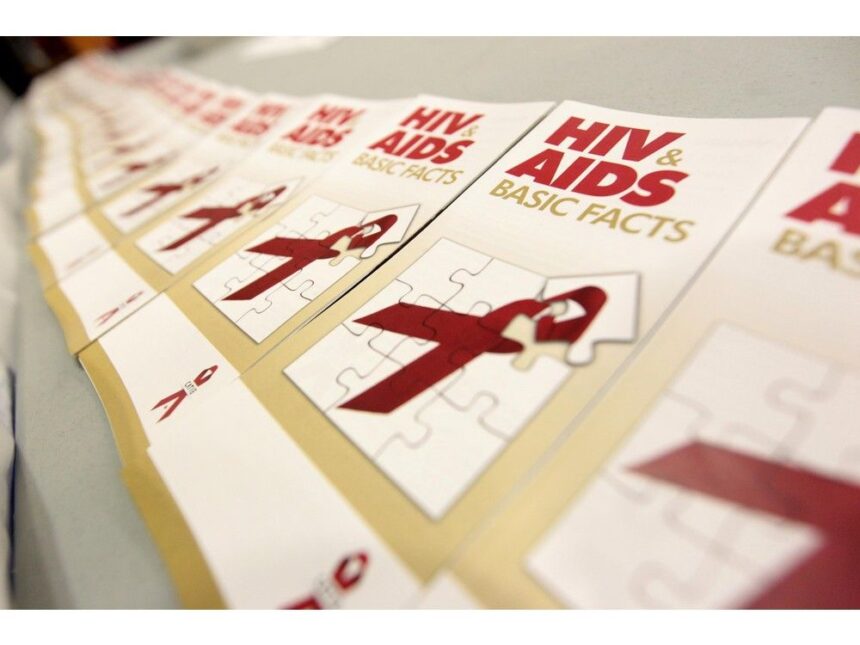
It’s time for all levels of government to reject fragmentation and distraction and deliver the funded, equitable and urgent response that Canadians deserve. Our health, and our country’s resilience, depend on it. – Jody JollimoreArticle contentIt’s been nearly a decade since Canada signed on to a bold strategy at the World Health Assembly to eliminate HIV/AIDS as a public health concern by 2030. Although an international commitment, this wasn’t just about helping others abroad; it was a co-ordinated strategy by each country to follow a specific, science-driven path to improve the health of its own people. For our government, it was about delivering for Canadians.THIS CONTENT IS RESERVED FOR SUBSCRIBERS ONLY.Subscribe now to access this story and more:Unlimited access to the website and appExclusive access to premium content, newsletters and podcastsFull access to the e-Edition app, an electronic replica of the print edition that you can share, download and comment onEnjoy insights and behind-the-scenes analysis from our award-winning journalistsSupport local journalists and the next generation of journalistsSUBSCRIBE TO UNLOCK MORE ARTICLES.Subscribe or sign in to your account to continue your reading experience.Unlimited access to the website and appExclusive access to premium content, newsletters and podcastsFull access to the e-Edition app, an electronic replica of the print edition that you can share, download and comment onEnjoy insights and behind-the-scenes analysis from our award-winning journalistsSupport local journalists and the next generation of journalistsRegister to unlock more articles.Create an account or sign in to continue your reading experience.Access additional stories every monthShare your thoughts and join the conversation in our commenting communityGet email updates from your favourite authorsSign In or Create an AccountorArticle contentArticle contentThe idea was that, by 2025, 95 per cent of people with HIV should know their status, 95 per cent of those diagnosed should be on treatment, and 95 per cent of those on treatment should achieve viral suppression. Scientists projected that achieving all three of these targets would reduce transmission so significantly that the epidemic would end by 2030.Article contentArticle contentWHERE DO WE STAND?Article contentAs we near the end of 2025, just after World AIDS Day on Dec. 1, it’s time for a frank assessment. Are we on track?Article contentThe report card is mixed. Thanks to the efforts of community-based health organizations, researchers and healthcare providers, Canada has seen some progress:Article contentMost provinces have introduced or expanded programs to provide access to medications for prevention or treatment, both of which prevent the transmission of HIV.Article contentThe previous federal government rolled out a time-limited HIV self-testing project, offering testing kits so Canadians could learn their HIV status in the privacy and comfort of their own homes.Article contentArticle contentBy 2022, we had met our target of achieving viral suppression among 95 per cent of people on HIV treatment. This is important because individuals who are virally suppressed can’t pass it on to their sexual partners.Article contentCHALLENGESArticle contentWe have also seen challenges. Canada saw a 25 per cent increase in HIV diagnoses in 2022, and a further 35 per cent increase in 2023. Each new diagnosis represents a lifetime of treatment, medical care and support from our healthcare and social service systems, but we haven’t seen commensurate funding increases for the community-based organizations that provide this support.Article contentYou might be thinking, with governments tightening their purse strings, can we afford to provide this support? I would argue that we can’t afford to not provide it. Economists estimate that each new HIV diagnosis in Canada costs $1.44 million over a lifetime. New cases in 2021 alone are expected to generate $2.1 billion in costs. By giving HIV-negative and HIV-positive people access to the tools they need to protect their health and prevent transmission, we are reducing healthcare costs and supporting quality of life and economic productivity.
JODY JOLLIMORE: Looking closely at Canadas HIV report card