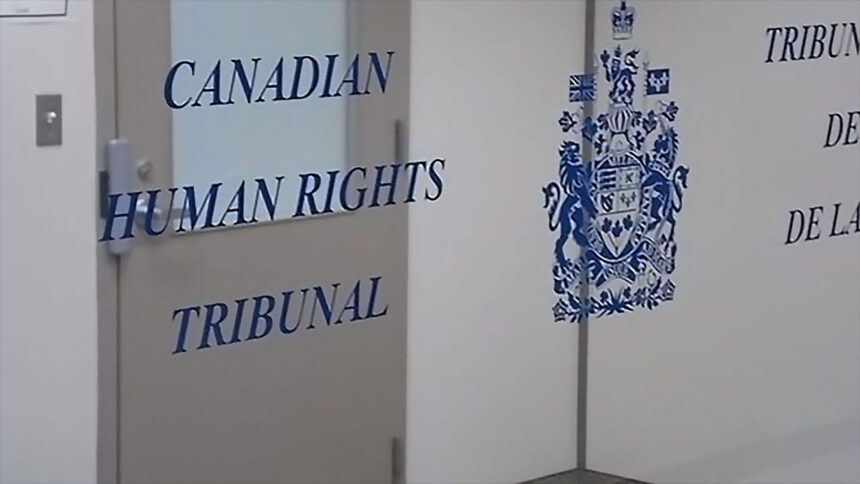
Two separate processes, now in motion to try to end long-standing discrimination in the federal on-reserve child-welfare system, will take important steps this month. Chiefs in Ontario are seeking approval from the Canadian Human Rights Tribunal for a regional reform agreement, while First Nations leaders in the rest of the country, represented by the National Chief’s Children’s Council (NCCC), will present their own draft plan to the Tribunal just before Christmas. “Because this originated from a complaint that has resulted in a negotiated settlement, this agreement is required to be accepted by the Canadian Human Rights Tribunal as an agreement that ends discrimination against First Nations children in the Ontario region,” Regional Chief Abram Benedict, who represents Chiefs of Ontario, told Nation to Nation. That means the Tribunal must approve the agreement. The Tribunal began meeting on Dec. 10 and run through until Dec. 17, with more dates scheduled for February. An important date is also coming up for child-welfare reform outside Ontario. On Dec. 22, the NCCC, chaired by Chief Pauline Frost, will submit a draft national plan to the Tribunal. Cindy Blackstock, executive director of the First Nations Child and Family Caring Society, has been working with them in an advisory role. ”We have undertaken that work and such great credit to the communities in the regions. They organized all of their engagement centers. They sent us their best ideas. Now we’re rolling those up and we will be filing our plan,” she said. Canada will also be filing a plan on Dec. 22. The strange scenario arises from Canada’s failure to agree to a new negotiation process. Pressure on the federal government to reform the on-reserve system came out of a landmark decision in 2016, when the Tribunal confirmed the government was discriminating against First Nations children in care. The decision set in motion a series of negotiations and related legal decisions pushing the government toward a settlement agreement. In October 2023, chiefs across Canada met to vote on a $47.8-billion settlement. They voted it down, but ultimately, Ontario agreed to the deal and carved out an $8.5-billion agreement. But the majority of chiefs called for a return to the drawing board and set up the NCCC to negotiate on their behalf. Read More: Chiefs grill ministers on major projects and child welfare failures at AFN assembly So far, Canada has refused to meet with them. In August, the matter went back before the Tribunal, which ordered Canada to produce a plan — with evidence — for how it will permanently stop discrimination. “It’s really important for people to understand that this isn’t a situation where you just have to rely on an agreement with Canada. You don’t have to rely on what Canada’s prepared to agree to. There are legal orders against Canada… you have to hit these minimum standards and there’s legal oversight over them,” said Blackstock. There is no date yet for when the Tribunal will make a decision on the NCCC deal. Continue Reading
Two child welfare plans head to Canadian Human Rights Tribunal



Leave a Comment