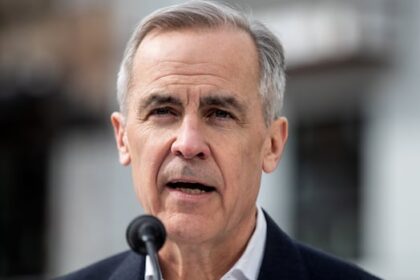
This coming school year will mark the first time Grade 2 students will be taught a made-in-Nunavut curriculum, and Nunavut Teachers’ Association president Justin Matchett said he hopes it’s a success. Matchett said he has received feedback from teachers about training for the curriculum, but didn’t say what that feedback was. “We have heard various things about the training provided on the new curriculum to date, and we want to ensure that the Department of Education is learning and improving on their responsibilities as part of this curriculum rollout,” Matchett said. The first-ever made-in-Nunavut curriculum was taught in kindergarten and Grade 1 classrooms in 2025-2026, and is introducing another grade level every year until a full implementation from kindergarten to Grade 12, targeted for 2036. That curriculum includes teaching in Inuktut. “As the training and the roll out continues, we will be listening closely to members about their experiences, what is working well, and where they feel additional training, resources or support may be required so we can best advocate for them,” Matchett said. Before becoming president of the teachers’ union, Matchett taught in two Nunavut communities. The curriculum currently being taught from Grade 3 to Grade 12 still uses an Alberta model, and he said it was painfully clear to him that the subject matter is not relevant to students. “We are excited about the growing number of Inuit educators across Nunavut, which in turn shows the students of Nunavut that becoming a teacher here at home is a viable and rewarding career path,” Matchett said. Recruiting new teachers and retaining them has been an ongoing challenge across Canada, he said. But he said there has been progress in the past year. “We have been encouraged by what we have heard regarding recruitment and understand that when we last met in late spring, the department let us know that hiring has been progressing well compared with where things stood at the same point last year,” Matchett said. Nunavut had filled 79 per cent of its teaching vacancies this time last year, Nunavut News reported, but figures for the 2026-27 school year have not been provided. Matchett is meeting with the Department of Education after the summer break to see where recruitment and retention figures stand. “We already know that some of our schools will be starting with teacher shortages, so recruitment and retention remain major priorities,” Matchett said. Which schools have low educator recruitment and retention rates was not made clear. The Government of Nunavut should make the territory the most attractive place to teach in Canada, Matchett suggested, as the global teacher shortage has dealt a blow to schools around the country. “Recruitment is only one part of the equation,” he said. “Our long-term focus continues to be retention. We want educators to come to Nunavut, but we also want them to build relationships with students, families and communities and ultimately choose to stay.” Many teachers in Nunavut classrooms do not have full qualifications, and instead work using a letter of authority from the Department of Education, according to Matchett. Despite the challenges education faces in the territory, Matchett emphasized that there are many bright spots. “There is so much beauty and everyday joy that happens in our school that I wish it could be celebrated more,” he said. “There are going to be challenges this year as much as I wish I could say there won’t be. However, there will also be many successes worth celebrating. On behalf of the NTA, I wish every student, family and educator across Nunavut a safe, successful and positive school year.” Story by William Koblensky Varela, Local Journalism Initiative Reporter. Source: Nunavut News Continue Reading
Nunavut Teachers Association president hopes made-in-Nunavut curriculum expansion is a success



Leave a Comment