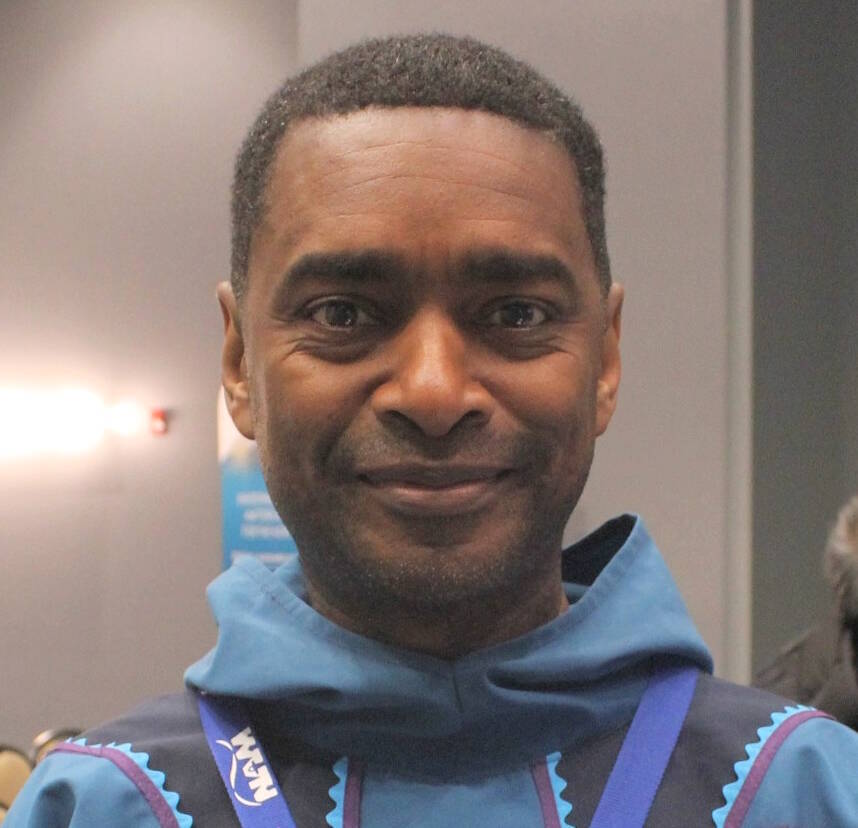
Published 4:28 am Monday, December 8, 2025 By William Koblensky Varela, Local Journalism Initiative Northern News Services Cambridge Mayor Wayne Gregory says he wants the new Government of Nunavut to get tougher on drug enforcement, and that message has been passed along to officials in the NWT. Gregory said current fines from the Department of Justice are too low. “We’re trying to change the laws for justice, for when somebody gets incarcerated, stiffer fines — right now, they’re very small,” Gregory said. “They are doing drugs. They have a tiny little fine, they pay out of their pocket, and away they go and continue on. So making those things a little bit harder.” On Nov. 6, the GN Department of Health warned that pink=coloured cocaine may be circulating in Cambridge Bay which is a particularly dangerous cocktail of fentanyl, ketamine and other unknown chemicals. The GN’s Department of Justice said it had heard from Gregory about his concerns on drug enforcement. “We greatly value hearing from community leaders and always take their inquiries seriously,” said Stephen Shaddock, director of policy and planning at the Department of Justice. Concerns raised by residents and community leaders in Cambridge Bay, including those expressed by the mayor, were shared with the Nunavut RCMP and the previous minister of Justice, according to Shaddock. “We would like to note that a townhall meeting, co-facilitated by the mayor and the previous minister of Justice (also former MLA for Cambridge Bay Pamela Hakongak Gross), took place in the community in July 2025, which allowed community members to express their concerns about drug-related crime,” he said. The Department of Justice has also communicated these concerns with the Government of the Northwest Territories and that territory’s RCMP in discussions of shared priorities and strategies to address the challenges of drug-related, according to Shaddock. Fines for drug charges vary widely by crime, and whether the crime is committed by first time or repeat offenders, he explained. Decisions on fines are made by a judge, though recommendations come from the prosecutor and federal laws. “Nunavut’s civil forfeiture program authorizes the territorial government to seize crime-related tools and profits of crime, such as those related to drug offences, based on information and referrals from law enforcement agencies and the public,” Shaddock said. Gregory said he also wants greater support for mental health, addictions, suicide prevention and more training for recreational activities. Cambridge Bay’s parking garages for its municipal vehicles also need funding. Housing and food insecurity are among the other major issues for the community, Gregory added.
Cambridge Bay mayor wants tougher drug enforcement