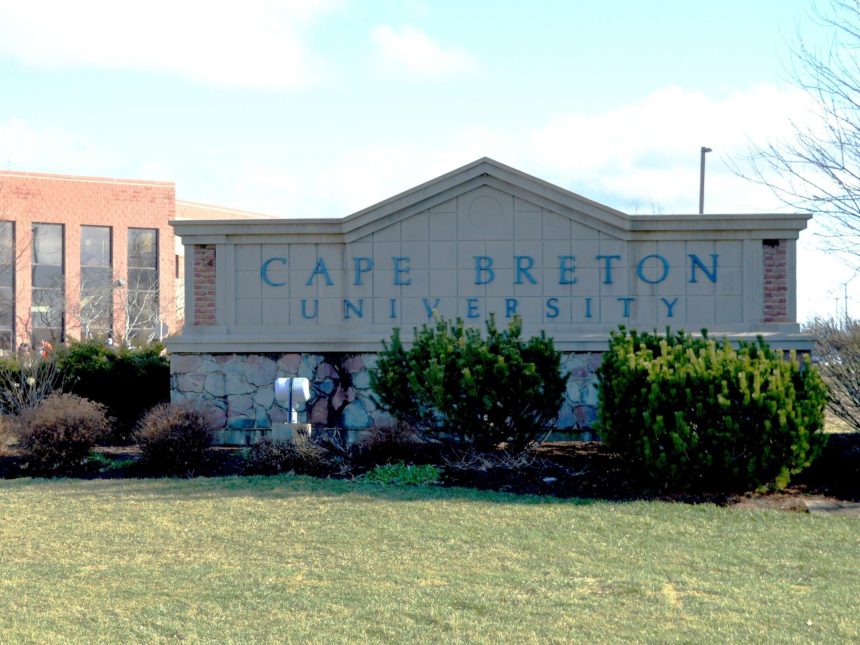
Article contentSTILL ADAPTINGArticle contentWhile higher education institutions globally are increasingly striving to prioritize Indigenous methods, many degree programs and university systems are still adapting to fully support Indigenous ways of knowing. The program is designed to create concrete frameworks that foster the success, well-being and sustainability of Indigenous scholars and researchers within these academic environments.Article content“Working with other Indigenous peoples around the world and learning about how they nurture their own knowledge and communities, has elevated our work and lifted our communities here at home,” said Paul, who is also the Indigenous lead for the Unama’ki Hub.Article content“I have seen that other Indigenous people in other parts of the world have gone through similar hardships as those experienced by my people. They thrive in their language and culture today.Article content“This global collaboration inspires me, and the Mi’kmaw youth we work with, to continue the revitalization of Mi’kmaw language and culture happening all over Mi’kma’ki today,” Paul continued. “There is a resurgence yet to come for my people, and it will have our ancestors sing with joy in the spirit world.”Article contentArticle contentThat sense of global solidarity is echoed across the network’s international partners.Article content“I’m most excited about learning from and working with other Indigenous peoples to build stronger and more resilient pathways for Māori researchers. ‘Kāpuia te kākaho’ (Our unity is our strength),” Ross said.Article content Funds totaling almost half a million dollars that will connect scholars, diplomats, community leaders and students at Cape Breton University have been granted to the university and three other international education and community hubs by the Social Sciences and Humanities Research Council. Photo by CAPE BRETON POST FILEArticle contentREFLECTS KNOWLEDGEArticle contentRoss added that a traditional Māori proverb reflects knowledge about the kākaho.Article content“This reed is easily broken on its own, but nearly impossible to break when bundled together with many others” is a good comparison for the international Indigenous collaboration at the heart of the project, he said.Article contentTo ensure the research sparks real-world change and extends beyond academic journals, the CBU-led team is committed to robust public engagement. Over the next six years, the project plans to deliver:Article contentInternational Gatherings: Hosting gatherings to share knowledge and arts, with major events planned including at the University of Victoria, and the Museum of Anthropology in Xalapa/Mexico City;Multimedia Production: Translating findings into a multilingual documentary film and an Our Research Futures podcast series to amplify voices of emerging Indigenous researchers;Youth Resources: Creating free digital learning resources designed to inspire Indigenous youth to pursue careers in academia;Student Mentorship: Funding the training and career development of 25 students (from undergrads to PhD candidates) over five years, as well as an Indigenous postdoctoral project co-ordinator. Article contentArticle contentTO BE MADE PUBLICLY ACCESSIBLEArticle contentTo directly support the vitality of Indigenous knowledge and practices, project outputs, learning resources and final policy recommendations will be made publicly accessible in Indigenous languages, specifically Mi’kmaw, Māori and Nahuatl, alongside English and French.Article contentOur Research Futures aligns directly with Cape Breton University’s core priorities of fostering EDIA (equity, diversity, inclusion and accessibility), Indigenization, decolonization and reconciliation. Through the dedicated work of Unama’ki College and the Centre for Sound Communities, CBU remains committed to honouring different ways of knowing and driving significant positive impacts for Indigenous scholars and Indigenous communities across Unama’ki.Article contentCape Breton University educates students from more than 80 countries who benefit from the university’s unique commitment to community, economic development, Indigenous learning and research into many aspects of environment and culture.Article contentRosemary Godin is the Local Journalism Initiative reporter for the Cape Breton Post, a position funded by the federal government.Article content
Cape Breton University awarded funds for international Indigenous research