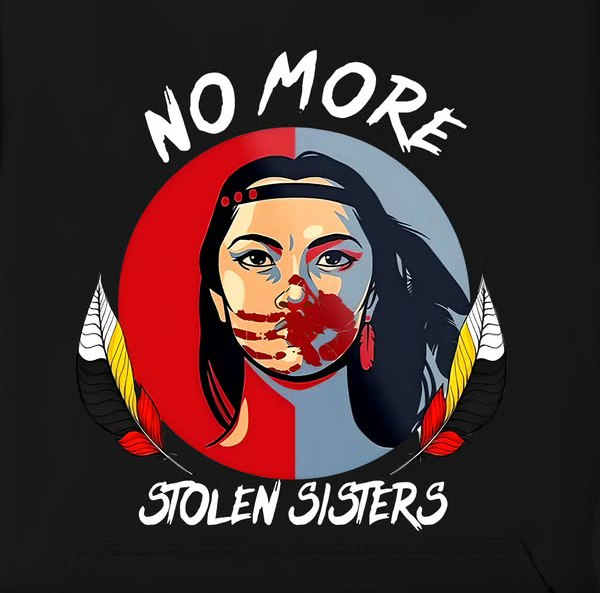
Article contentMost significantly, the slant of media coverage can have profound implications for Missing and Murdered Indigenous women and girls. Sustained TV reportage and front-page news coverage can make all the difference in the world in terms of creating public pressure, focusing governmental attention, and triggering police investigations and law enforcement resources. In a word, this type of journalism sends the message that Indigenous lives matter.Article contentOn the other hand, reporting that utilizes negative stereotyping of Indigenous people can ensure a short news cycle, public and political indifference, and a cursory law enforcement effort. You see that when it is spliced into stories about missing Indigenous females that they may have been drinking and hitch-hiking, dabbled in drug use or had family troubles, and had a history in the sex trade. Taken together, these dehumanizing depictions can serve to devalue Indigenous lives, portray these victims as disposable and worthless and thereby do nothing to deter serial killers from continuing to target Indigenous women and girls.Article contentArticle contentArticle contentInvalid stereotypesArticle contentHow many of us, though, have really got to know members of an Indigenous community? Because if we did, we would come to know that all of these negative stereotypes can easily be disproved and invalidated. Of course, it raises the seminal question of why this harmful media framing of Indigenous peoples has been so enduring.Article contentLet’s not kid ourselves here, changing a journalistic culture and mindset will take time. But there are some important steps that can be rigorously implemented right now – including having journalists first educate themselves on the history of Indigenous peoples in Canada and colonial violence before embarking on any coverage of Indigenous matters.Article contentMedia types also need to realize that their words and visuals can have real-life consequences for Indigenous communities. Lastly, news reporters should seek to build trust with Indigenous representatives and elders, to understand and appreciate Indigenous ways of knowing, seeing and doing and, most important, to listen, learn and listen again to Indigenous voices.Article contentArticle contentArticle contentTraining and representationArticle contentMcCue also has a number of other suggestions on how to improve journalistic news coverage of Indigenous people and issues. Among other things, he would like to see more Indigenous journalists working in the news business and more culturally-sensitive training for non-Indigenous scribes.Article contentStill, it is worth noting that the mainstream media continues to contribute to the marginalization of Indigenous peoples in Canada. The sad truth is that Indigenous news coverage will only get better if there is a sustained organizational and deep personal vow to doing so. But it bears repeating that many other things Indigenous are counting on that same journalistic commitment – namely, just relations, national reconciliation, economic fairness and surely life and death itself.Article contentArticle contentArticle contentPeter McKenna is professor of political science at the University of Prince Edward Island in Charlottetown.Article content
COMMENTARY: Its long past time for the media ecosystem to ditch the Indigenous stereotypes