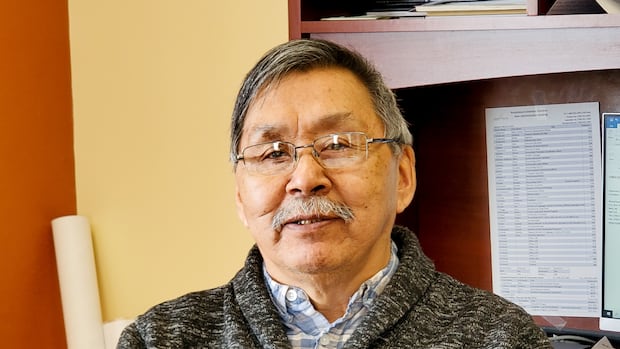
NLThe settlement of a decades-long land claim brought Nunatsiavut to life on Dec. 1, 2005.Decades of land claim negotiations formed the start of Nunatsiavut on Dec. 1, 2005Alex Kennedy · CBC News · Posted: Dec 01, 2025 4:30 AM EST | Last Updated: 7 hours agoListen to this articleEstimated 3 minutesThe audio version of this article is generated by text-to-speech, a technology based on artificial intelligence.Nunatsiavut President Johannes Lampe says much has changed over the government’s 20-year existence, but a commitment to Inuit culture and its preservation hasn’t waivered. (Hamlin Lampe)Self-governance was a long time coming for the Inuit of northern Labrador.Now, 20 years after the Nunatsiavut Government officially began, its current president says he’s seen much change — but the same core teachings remain.”To have been born in such an area is a blessing, and I know that that makes an Inuk like myself proud, you know, to be free. And I believe that our ancestors, our elders, you know, sought that freedom and certainly fought [for it]. You know, and [are] still fighting.” Johannes Lampe told CBC News.A land claim for what would become Nunatsiavut was first filed in 1977. After decades of negotiations and advocacy from the Labrador Inuit Association, the breakthrough came in 2003.The agreement created Nunatsiavut — which translates to ‘Our beautiful land’ — a self-governing body covering 16,000 square kilometres of the Labrador coast.It also granted full control of resources to the Inuit, co-management of the area’s fishery with the federal government and the creation of Torngat Mountains National Park.The Labrador Inuit Land Claims Agreement and the Labrador Inuit Constitution was signed on Dec. 1, 2005. Nunatsiavut became the first Inuit region in Canada to achieve self-governance.”It’s certainly something to celebrate and to be happy about,” Lampe said.”For thousands of years, you know, Inuit have lived their way of life. Language, culture, hunting, fishing, gathering. And by negotiating a land claim, we are now able to exercise and practice our way of life. And pass that onto our children and our grandchildren. And certainly be proud to be able to do that.”WATCH | Dive into the CBC archives to see the beginnings of Nunatsiavut:Look back on the landmark agreement that created Nunatsiavut as it marks 20 years of governance Dec. 1 marks the 20th anniversary of the creation of the Nunatsiavut government, when the Inuit of northern Labrador became the first Inuit region in Canada to achieve self-governance. As the CBC’s Mark Quinn reports, it was a long time coming for many.The two decades have brought both successes and challenges. Steps to preserve Inuit language and traditional ways, paired with the impacts of intergenerational trauma caused by colonialism, relocation and residential schools.In his interview with CBC News, Lampe highlighted the ongoing battle against climate change. As the seasons change, he said, so too do the Inuit of Labrador.”We have journeyed into a new way of life,” he said. “I’ve had the opportunity to see many changes, and I have seen so much.”But above all, Lampe says the success of Nunatsiavut lies in its people and the knowledge that has been passed down through history.”I believe that, you know, having the opportunity to listen to storytelling from our parents, our grandparents, you know, gives us that ability, you know, to have a conversation, you know, with our children and grandchildren in Inuktitut and tell them about what it was like,” he said.”It’s about others who are older than myself, and they would tell me that ‘You’re only a little boy yet’ … It makes one very proud to be an Inuk.”Download our free CBC News app to sign up for push alerts for CBC Newfoundland and Labrador. Sign up for our daily headlines newsletter here. Click here to visit our landing page.ABOUT THE AUTHORAlex Kennedy is a digital reporter with CBC Newfoundland and Labrador based in Corner Brook. He previously worked with CBC N.L. in St. John’s, and has a particular interest in stories about sports and interesting people.Read more articles by Alex KennedyFollow Alex Kennedy on XWith files from Labrador Morning
Inuit pride still at core of Nunatsiavut, president says, marking 20 years of self-governance