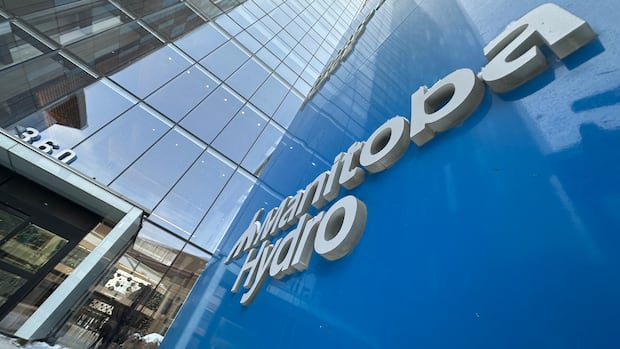
ManitobaManitoba Hydro plans to make 1,760 more megawatts of electricity — more than a quarter of its existing generating capacity — available to consumers within 10 years through a combination of energy-saving measures and new infrastructure. Lower rates to be offered to customers who agree to use less power during peak periods, pending approvalBartley Kives · CBC News · Posted: Dec 11, 2025 9:41 PM EST | Last Updated: 6 hours agoListen to this articleEstimated 3 minutesThe audio version of this article is generated by AI-based technology. Mispronunciations can occur. We are working with our partners to continually review and improve the results.Manitoba Hydro plans to make more electricity available by building new generators and convincing consumers to use less power. (Tyson Koschik/CBC)Manitoba Hydro plans to make 1,760 more megawatts of electricity — more than a quarter of its existing generating capacity — available to consumers within 10 years through a combination of energy-saving measures and new infrastructure.On Thursday, Hydro published some of the details of its forthcoming integrated resource plan, which lays out how the provincial Crown corporation plans to stave off a midwinter energy shortage expected as soon as 2029.A two-page “road map” toward that goal calls for the construction of new infrastructure capable of increasing Manitoba’s generating capacity by 900 megawatts by 2035. This includes previously announced plans to build three new natural gas turbines in Brandon, new wind farms built by Indigenous-led private companies, improvements to existing hydro-electric plants, and a five-megawatt battery storage pilot project.The plan also calls for 860 megawatts in energy-saving measures intended to reduce the peak demand for electricity during the depths of Manitoba cold snaps or heat waves.”It’s all about really shaving the peak load, which allows you to meet energy demands for more customers without having to add a whole pile of new capacity,” Hydro communications director Scott Powell said in an interview at the corporation’s downtown Winnipeg headquarters.One of the plans involves offering lower Hydro rates to customers who agree to use less energy during periods of high demand.”We’re going to go about that in a way where the only way energy prices can go is down,” Adrien Sala, the NDP cabinet minister responsible for Manitoba Hydro, said in a phone interview from Ottawa Thursday.During the 2023 election campaign, Sala’s party campaigned against the idea of variable Hydro rates, referring to that idea as “surge pricing.”Sala said what’s now on the table will be entirely optional.Powell said Hydro could only pursue variable rates if its independent regulator, the Public Utilities Board, signs off on the idea.Spending on gas turbines disappointing: Climate ActionLaura Cameron, a program director for Manitoba’s Climate Action Team, said she is disappointed Manitoba Hydro is not pursuing more ambitious energy efficiency targets, and plans to spend billions on natural gas turbines to meet peak electricity demands instead.She said she’s also concerned the province is not choosing to make new wind farms more reliable by pairing them with battery storage that can offset periods when there is little wind.”In Ontario, they’re scaling up to thousands of megawatts of battery energy storage in the next three years, by 2028, and so the idea that Manitoba is only considering five megawatts in the next 10 years is honestly astounding,” Cameron said.WATCH | Manitoba Hydro unveils plans to keep lights on for another decade:Manitoba Hydro unveils plans to keep lights on for another decadeThe Crown corporation’s plan to make more electricity available relies on a mix of energy savings and more sources of power. Sala said battery storage is “in a development stage,” and is also too expensive to be relied upon more heavily as a means of increasing the reliability of the provincial electrical grid.”We’re wanting to ensure that we do begin that process of examining how Manitoba can integrate more batteries into our system. We need to do that cautiously and start small, so that we can ensure that we’re protecting the affordability side of the equation,” he said.The complete version of Hydro’s integrated resource plan is expected early in 2026, Powell said.
Manitoba Hydro plans to free up more power by saving energy, building new turbines and wind farms