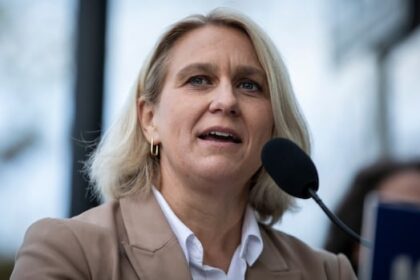
Nova ScotiaA new program for assessing internationally trained doctors in Nova Scotia had a slow start, resulting in just five licenses to practise in the first 10 months, but officials say it’s ramping up and proving successful.5 doctors have been licensed under N.S. program in the first 10 monthsTaryn Grant · CBC News · Posted: Dec 03, 2025 3:18 PM EST | Last Updated: 9 minutes agoListen to this articleEstimated 4 minutesThe audio version of this article is generated by text-to-speech, a technology based on artificial intelligence.The program launched in February and promised to eventually turn out 45 doctors a year. (David Donnelly/CBC)A new program for assessing internationally trained doctors in Nova Scotia is off to a slow start, yielding just five licensed doctors in the first 10 months, but officials say it’s ramping up and proving successful.The physician assessment centre of excellence, or PACE, opened in February. Internationally trained doctors are assessed by licensed physicians in 12-week cycles and can come out of the program with a licence to practise on their own. Previously, it took 18 months for internationally trained doctors to be assessed and licensed.Dr. Keri McAdoo, CEO of PACE as well as deputy registrar for the College of Physicians and Surgeons of Nova Scotia, said a great deal of startup work was required, but the months ahead will look very different from the past 10. “PACE is no longer in the startup mode, which was a lot of hiring and finding space and finding the medical equipment and setting up the clinics and finding patients,” she said in an interview.Limited by clinic sizeEventually, PACE is supposed to assess up to 45 doctors a year — nine times what it’s turned out in 2025. Kim Barro, associate deputy minister with the Department of Health and Wellness, said the big limiting factor so far has been clinic capacity.The program started in a small clinic in the Halifax Shopping Centre with two full-time equivalent physician assessors overseeing four to six physician candidates at a time.“But knowing that we needed to accelerate, we got more space, we got more physicians trained,” Barro said.She said this week the program expanded into a second clinic on Kearney Lake Road with four assessors. Still on the horizon is a purpose-built clinic nearby, said Barro.A department spokesperson said the purpose-built clinic, which will serve as PACE headquarters, is slated to be ready by the middle of 2027, at which point PACE is expected to reach its target of 45 doctors annually.’A healthy pipeline’ of potential docsMcAdoo said there’s no shortage of physician candidates wanting to join the program, as capacity develops to bring them in.”We do have a healthy pipeline of internationally trained physicians that are keen to be enrolled. And we have been receiving applications since we opened back in January and February.”The focus of the program presently is primary care, with all five doctors who have been licensed this year now working as primary care providers. Some of the patients being treated at PACE clinics come from the physician assessors’ roster, while others come off the need-a-family-practice registry, Barro said.The program is also slated to expand into two hospitals this winter: Dartmouth General and the Colchester East Hants Health Centre in Truro. Rather than primary care, the focus at these sites will be assessing doctors to work as hospitalists.Barro said two physician assessors are being trained to work at each site.“We have primary care physicians in communities but also we need hospitalists to ensure that we have flow-through … in our smaller community hospitals,” she said.Interim Liberal Leader Derek Mombourquette said he supports the program but wants it to be more productive.“Ideally you would see more people and I think that raises the question what else can we do to strengthen the program,” he said.NDP Leader Claudia Chender said she’s worried about retaining the doctors who go through PACE.“Any doctor is good. We traditionally are pretty good at attracting doctors, we’re not that good at keeping them,” she said.MORE TOP STORIES ABOUT THE AUTHORTaryn Grant covers daily news for CBC Nova Scotia, with a particular interest in housing and homelessness, education, and health care. You can email her with tips and feedback at taryn.grant@cbc.ca
New model for licensing international doctors starts slow, poised to ramp up