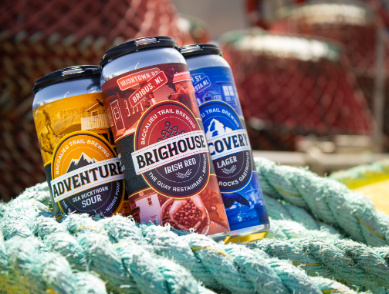
Article content“If the market conditions got bad enough that we had to close, I’m not sure that Corner Brook Pulp and Paper would be able to operate because they are so heavily dependent on our pulp chips, which is a byproduct of producing lumber,” said Osmond.Article contentBurton’s is also a source of sawdust and wood shavings for local farmers, who would likely have to source more expensive products from Nova Scotia or New Brunswick if the readily available supply in Newfoundland and Labrador dried up.Article content“That would be a significant cost in the agriculture industry if we cease to exist,” said Osmond.Article contentThe province’s largest sawmill — Sexton Lumber Company Limited, in the eastern Newfoundland community of Brookfield — does sell some of its product into the United States. No one from Sexton Lumber was available for an interview on Tuesday.Article contentPostmedia also reached out to Corner Brook Pulp and Paper for an interview about how the latest tariffs would affect its operations. Some pulp and paper products are subject to the levies. A communications spokesperson with its parent company, Montreal-based Kruger Inc., said the tariffs do not affect Corner Brook Pulp and Paper and declined an interview.Article contentArticle contentThe Corner Brook mill, which currently only has one paper machine in production and has embarked on an ambitious diversification project, has spent a lot of effort diversifying its international markets in recent years, mostly because of the value of the Canadian dollar since it trades in American currency.Article content No craft beer from Newfoundland and Labrador is currently sold in the United States, but the cans they’re in are American-made and cost brewers more because of American tariffs on Canadian aluminum exported to the U.S. CONTRIBUTEDArticle contentOther sectors affectedArticle contentOf all the Canadian provinces, Newfoundland and Labrador is among the least affected by American tariffs, but the forest products sector is not the province’s only industry sitting in the crosshairs of the Trump administration.Article contentWhile seafood and energy, both major exports from Newfoundland and Labrador, continue to be exempt from tariffs, items such as alcoholic beverages and electronics are not so fortunate.Article contentPostmedia reached out to the province’s vibrant tech sector, but was unable to arrange any interviews with tech companies that might be affected. TechNL, the association that represents members of the sector, also declined an interview about tariffs.Article contentArticle contentThere are no craft beers brewed in Newfoundland and Labrador that are sold into the United States, but that doesn’t mean there are no tariff-related ramifications.Article contentBecause Canadian aluminum sold into America is subject to tariffs, that cost trickles down to aluminum cans manufactured in the United States and imported by beer makers.Article content“As (the trade war) goes on, it will continue to be felt,” said Steve Crocker, chairperson of the Newfoundland and Labrador Craft Beer Association. “Any increase in aluminum tariffs will obviously have an impact on that input cost. If there are Canadian retaliatory tariffs, that could have an impact as well.”Article contentCrocker said he couldn’t say exactly what the dollar figure is in terms of the effect of tariffs on importing American-made aluminum cans, but said that would also depend on the size of the order.Article content“We would have producers in the province who are bringing in a single pallet of cans and we’d have producers that are bringing in (cargo) containers of cans,” he said.
Newfoundland and Labrador may be least affected province, but U.S. tariffs still a concern