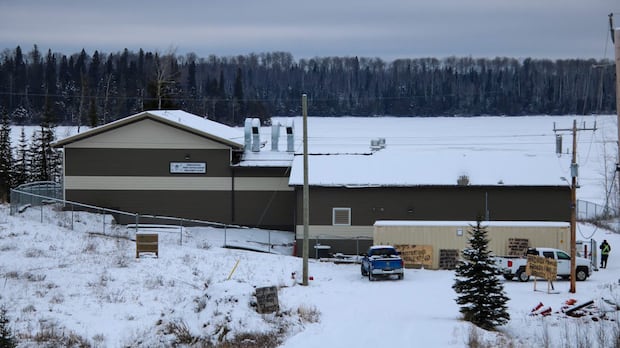
Thunder BayFirst Nations leaders in Ontario are calling on Ottawa to urgently reintroduce Bill C-61 and fully implement the 2021 drinking water settlement, saying decades-long boil water advisories and funding shortfalls continue to endanger their communities.Chiefs warn delays and potential weakening of legislation put communities at riskRajpreet Sahota · CBC News · Posted: Dec 04, 2025 2:54 PM EST | Last Updated: 41 minutes agoListen to this articleEstimated 4 minutesThe audio version of this article is generated by text-to-speech, a technology based on artificial intelligence.Neskantaga First Nation’s water treatment plant was built in 1993 and has never produced safe drinking water. (Olivia Stefanovich/CBC)According to multiple Chiefs across northern Ontario, nearly a third of First Nations in the province remain under short- or long-term drinking water advisories, and they say federal delays on new water legislation are putting communities at risk.At a media event Wednesday, Indigenous leaders from Temagami, Attawapiskat and Neskantaga First Nations, Anishinabek Nation and the Tyendinaga Mohawk Territory called the situation a “national scandal” and urged the federal government to reintroduce Bill C-61 sooner. “We were told yesterday by Canada, by the Prime Minister himself, that they intend to delay reintroduction of Bill C-61 until the spring of 2026,” Anishinabek Nation Grand Council Chief Linda Debassige said. “This is not acceptable.”Debassige said they’ve also heard the government intends to amend the bill in ways that “potentially weaken it.” Leaders say they’ve heard the federal government may remove key protections from the new version of Bill C-61, including source water protections and regulations around wells and cisterns.“This is completely unacceptable,” Debassige continued. “Water is a basic human right. This government must act immediately. We cannot afford to wait any longer.”What is Bill C-61The First Nations Clean Water Act aims to establish minimum standards for water services on First Nations lands, give First Nations rights to self-govern their water resources and ensure access to clean drinking water and wastewater infrastructure. It was initially introduced in the House of Commons in December 2023. The bill had reached the final stages of debate before the Canadian election.The new act aims to replace a previous piece of legislation, the Safe Drinking Water for First Nations Act of 2013. First Nations had called for that to be repealed due to various concerns, including inadequate funding and a lack of recognition of Indigenous rights. In 2021, the Canadian government committed to repealing the 2013 act and developing new legislation in consultation with First Nations as a part of a class action settlement agreement. The federal government also committed at least $6 billion to support the construction, upgrading, operation and maintenance of reliable water and wastewater infrastructure on reserves.Concerns from Indigenous leadersTemagami First Nation Chief Shelly Moore-Frappier, said the federal government is telling communities there is no more federal funding available for water infrastructure despite legal obligations in the 2021 class action settlement.“Imagine if the city of Ottawa or the city of Toronto or any other community in this country was told there is no more money for your water,” Moore-Frappier said. “Would Canadians accept it? Would you accept that your children could not drink the water in your own house?”WATCH | Neskantaga First Nation has no clean drinking water, overflow of plastic bottles:Neskantaga First Nation has no clean drinking water and an overflow of plastic bottlesA lack of clean drinking water has left Neskantaga First Nation in northern Ontario with an abundance of plastic water bottles in their landfill. The community is calling on the federal government to assist with their disposal.Neskantaga First Nation Chief Gary Quisess spoke about the community’s decades-long struggle without clean water.“It’s been way too long. 30 years plus a boil of water advisory,” he said. “And this is Ontario. This is Canada.”Quisess says community members live with persistent fear and trauma around water.“I have this cup of water. I’m looking at it and thinking if I’m gonna be able to drink. That’s how much trauma we have,” he said.Residents rely on bottled water for drinking, bathing and cooking.Debassige ended the event with a clear call to Ottawa. “Table C-61 immediately and honour the 2021 settlement,” Debassige said. WATCH | PM says First Nations will be included in first ministers meeting:Carney says he’ll host joint first ministers’ meeting with First Nations in early 2026Prime Minister Mark Carney announced Tuesday he would host a joint federal-provincial-territorial first ministers’ meeting early in the new year. Carney told the AFN’s First Nations Special Chiefs Assembly that ‘you will set the agenda.’The government’s responseIn an email to CBC News, Mandy Gull-Masty, the Minister of Indigenous Services of Canada, stated that ensuring that clean, safe drinking water is available in First Nations communities is a top priority, and that’s why they intend to introduce legislation on clean drinking water for First Nations in the spring of 2026.“We’re working carefully to make sure the legislation is strong, effective and reflects the needs of communities,” she wrote in the email. “Our government is committed to ending the remaining 38 advisories, and we have allocated an additional $2.3 billion for that purpose in Budget 2025.”According to Gull-Masty, 149 drinking water advisories on reserve have been lifted through investments of over $7 billion since 2016 over the last decade. ABOUT THE AUTHORRajpreet Sahota is a bilingual journalist who reports for CBC News stations across Ontario. Tips and story ideas can be sent to rajpreet.sahota@cbc.ca
Northern Ontario Chiefs call for immediate federal action amid clean-water crisis