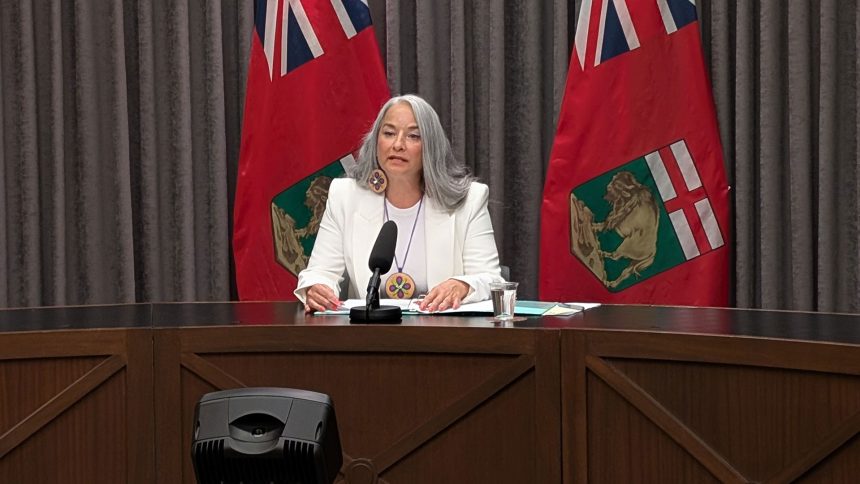
The current method in which Manitoba funds its child and family services (CFS) will undergo a third-party review, following criticism regarding underfunding and a suspected lack of accountability. “There have been longstanding calls from advocates, agencies and authorities for a review of the current funding model, which was introduced by the former government,” said Nahanni Fontaine, Manitoba’s minister of families, on Tuesday. “We have also heard from CFS authorities and agencies who do this hard work, supporting children and families every day, about a range of financial and operational pressures,” she continued, “and I have heard from rights-holders and leadership, asking for greater transparency and accountability to them about the funding supporting their families and communities.” There are four recognized CFS authorities in Manitoba: First Nations of Northern Manitoba Child and Family Services Authority, General Child and Family Services Authority, Métis Child and Family Services Authority, and Southern First Nations Network of Care. Each authority is responsible for a group of organizations under its jurisdiction, and money is allocated to these authorities rather than the organizations themselves. In February, Southern Chiefs Organization (SCO) claimed the current funding system for CFS was “placing First Nations families and children at risk,” as it did not provide consistent funding for these authorities to support families equally, or to retain jurisdiction over their respective communities. According to the SCO, although 91 per cent of children in care are Indigenous, southern First Nations agencies aren’t left with enough money to “offer prevention programs, culturally based services, and enough frontline staff to properly support children and families.” “This funding model has failed,” stated Grand Chief Jerry Daniels. “It does not provide the resources our agencies need to keep children safe. It does not support prevention. It does not treat First Nations children equitably. Our families are paying the price.” In response, the organization, which represents 33 First Nations in Manitoba, called for an immediate external review of the system and additional engagement between the province and Indigenous leadership. “If the province is truly committed to truth and reconciliation, and genuinely cares about the well-being of our children, then it must begin engaging directly with our technicians, our experts, and most importantly, our Chiefs,” said Dakota Plains Wahpeton Oyate Chief Don Smoke, in the same statement. Fontaine said that over the course of a year, an independent third-party will examine the fiscal health and pressures, as well as management practices and “accountability throughout the system.” Results will be brought to First Nations leadership before being released to the public. Findings will also support the opportunity to modernize the provincial system, in terms of both funding and governance, Fontaine added. Current funding system operates on annual lump sums The funding model in question is called Single-Envelope Funding (SEF), which the province implemented in 2019. The method was designed to give the four authorities control over how money is distributed through the use of an annual lump sum. Essentially, the government oversees funding and policy, while the agencies retain autonomy over how the money is managed. The method has a preventative approach, according to the province, which allows authorities to be flexible when it comes to which resources or supports are prioritised. Through SEF, funding is allocated from Manitoba’s annual budget and the sum is determined based on prior spending, average days children spent in care, and anticipated additional costs. Alongside the review, Fontaine said she’s waiting for independent audits on all four of the authorities for further insight on how these funds have been spread and where resources are stretched thin. She said that she isn’t going to “presuppose and look into the future,” but the review will help inform the province on what decisions it should make when it comes to CFS funding in the future. No further determinations will be made until the process is complete. “We recognize — and I’ve said this many, many, times — we are at a time of great change within child welfare, with the … restoration of Indigenous jurisdiction,” Fontaine said. “Government alone cannot provide the answers to meet these challenges.” She said outside of SEF funding, Manitoba has supported Long Plain First Nation and Waywayseecappo First Nation as they developed their own CFS systems, and will continue to do so there and in other communities. Fontaine said the province will provide further updates as the review moves along. Continue Reading
Funding of Manitobas CFS system to receive third-party review, audits

Leave a Comment