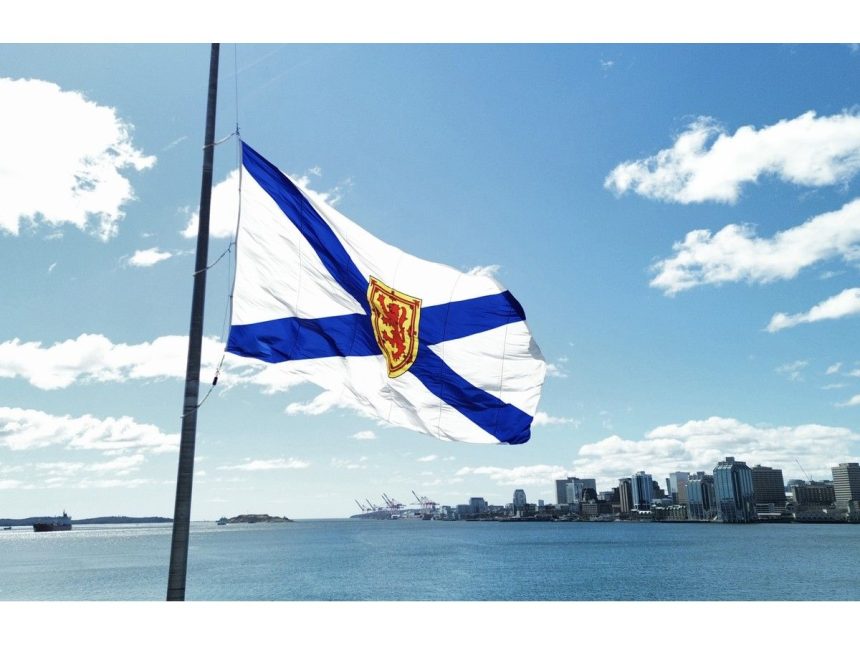
The Nova Scotia flag at Alderney Landing in Dartmouth in April, 2024. Photo by Tim Krochak /The Chronicle HeraldArticle contentHistory has a way of hiding some of its most interesting stories — not because they lack importance, but because they quietly slip from public memory.THIS CONTENT IS RESERVED FOR SUBSCRIBERS ONLY.Subscribe now to access this story and more:Unlimited access to the website and appExclusive access to premium content, newsletters and podcastsFull access to the e-Edition app, an electronic replica of the print edition that you can share, download and comment onEnjoy insights and behind-the-scenes analysis from our award-winning journalistsSupport local journalists and the next generation of journalistsSUBSCRIBE TO UNLOCK MORE ARTICLES.Subscribe or sign in to your account to continue your reading experience.Unlimited access to the website and appExclusive access to premium content, newsletters and podcastsFull access to the e-Edition app, an electronic replica of the print edition that you can share, download and comment onEnjoy insights and behind-the-scenes analysis from our award-winning journalistsSupport local journalists and the next generation of journalistsRegister to unlock more articles.Create an account or sign in to continue your reading experience.Access additional stories every monthShare your thoughts and join the conversation in our commenting communityGet email updates from your favourite authorsSign In or Create an AccountorArticle contentOne such story may lie buried in the pages of Canada’s parliamentary record.Article contentArticle contentMore than half a century ago, Nova Scotia Member of Parliament Pat Nowlan reportedly posed an intriguing question in the House of Commons: If Nova Scotia is the province’s historic and official name, why should it be translated at all? Why, he asked, should the province be known in French as Nouvelle-Écosse rather than simply Nova Scotia — the same name used in every other context?Article contentArticle contentAt first glance, the issue may appear to be little more than semantics. It is not.Article contentThe question touches history, constitutional practice, language, identity, and respect for one of Canada’s oldest provincial names. It also raises a broader question: when is a place name a name, and when does it become something else through translation?Article contentCuriously, very few Nova Scotians today seem even to know that this discussion ever took place.Article contentWas Pat Nowlan defending historical accuracy? Was he protecting the integrity of the province’s original Latin name? Or was he raising a constitutional question that Parliament simply chose not to pursue?Article contentThe answers remain hidden in Hansard, waiting to be rediscovered.Article contentThis is not an argument against either of Canada’s official languages, nor is it an attempt to reopen old political divisions. It is, rather, an invitation to revisit a forgotten chapter of our history and to ask whether Parliament once considered a question that deserves to be heard again.Article contentSometimes the most valuable historical discoveries are not new at all. They are simply old conversations that have been waiting for someone to listen once more.Article contentPerhaps the time has come to hear Pat Nowlan’s voice again.Article contentGeorge Townsend, WolfvilleArticle content
Letter: What did Pat Nowlan know about Nova Scotias name that we have forgotten?