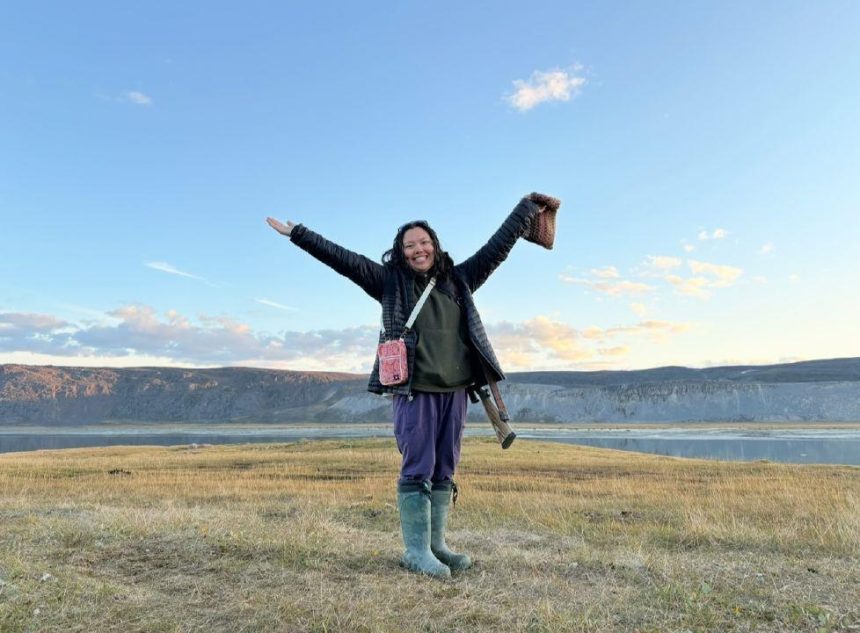
Published 7:45 am Wednesday, August 12, 2026 By William Koblensky Varela Local Journalism Initiative Northern News Service Rosalie DeMaio wants women to feel safe when travelling in Iqaluit. That hasn’t always been her experience when taking a taxi. “I’d be getting a ride home and they’d purposely go the wrong direction, and I’d have to tell them multiple times ‘Just take me home. I know this isn’t the right way’ or another experience is I’m just waiting to get driven home, and they’re like, ‘Hey, baby girl, how are you?’ And I’m like, ‘No, don’t, don’t talk to me like that,’” DeMaio said. She has also had taxi drivers in Iqaluit ask her to get in their vehicle, and when she declines, they follow her by driving in reverse, she said. In February, DeMaio applied for funding to start a women-only taxi service for Iqaluit. “I’m like the main demographic for Missing and Murdered Indigenous Women. So then I was thinking, how can we make our community safer?” DeMaio said. She’s planning a community meeting at the YWCA-Agvik women’s shelter on Aug. 27 to get the ball rolling. DeMaio is expecting up to 30 people to attend the meeting, where they’ll figure out what women are looking for from a cab company. “Even sharing a car for like a day or two or letting someone else borrow their car to get to places, or like having weekly grocery runs to different stores,” DeMaio suggested. Getting a licence from the city, building an app through Makerspace, charging by trip instead of by passenger and deciding a name for the service will all be on the agenda. ‘Woman-to-go’ is one possible name DeMaio has in mind. “I just hope people will feel less alone, and, hopefully, we’ll build like a stronger sense of community and well-being for the other people in town,” she said. Where to obtain funding for the service is another hurdle the community meeting hopes to tackle. DeMaio suggested that Nunavut Tunngavik Inc. or the Qikiqtani Inuit Association might help. “I would love it to be a non-profit and just make sure the people who are helping are getting supported as they need to. I don’t really care about the money, personally,” she said. She expressed sympathy for cab drivers trying to make money. They typically earn a living by getting a commission per ride. “The cab drivers, they don’t have like a fixed wage, so they have to like really speed around town just to hope to get even with their pay. And it just doesn’t seem that fair to the cab drivers or fair to us,” DeMaio said. Caribou Cabs, Iqaluit’s largest taxi service, acknowledged that it has received complaints against some of its drivers for inappropriate advances. The company’s taxis have cameras inside to record interactions between drivers and passengers. “We did have to suspend or terminate driver sponsorships for similar reasons in the past. We believe that cameras protect both the customer and driver and that is why footage is available in each of our vehicles,” Caribou Cabs stated. The company will continue to take action against drivers if its receives complaints about making women feel unsafe, Caribou Cabs added. “We find these behaviours or anything similar to be unacceptable and will take immediate disciplinary actions when a complaint is received, including suspension or termination of sponsorship,” the company said. Suspended drivers will receive customer service, cultural awareness and ethical conduct training to regain access to their sponsorship. Drivers are told that their job is not a place to seek a romantic relationship. “Do not ask customers for their phone number or ask them for a date, or if they are single. Always be professional, respectful and courteous,” Caribou Cabs said when describing aspects of its driver training program.
Iqaluit resident proposes women-only taxi service