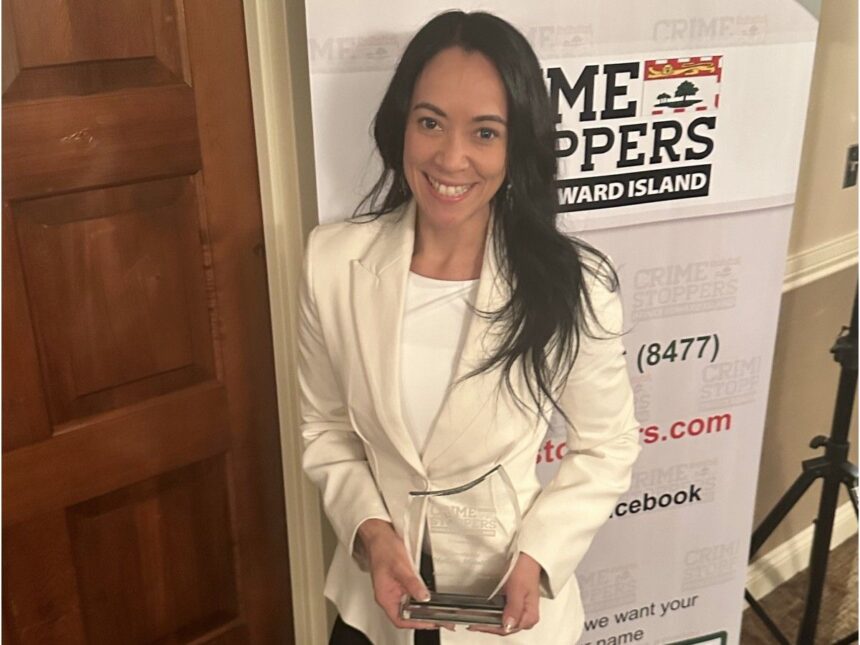
Mallory Metallic will be point of contact for investigations of police violence against Indigenous peopleAuthor of the article: John Chilibeck • Local Journalism Initiative reporterPublished Sep 24, 2026 • Last updated 2 days ago • 4 minute readConst. Mallory Metallic, Summerside Police Service’s first Indigenous officer, is taking on a new role with New Brunswick’s police watch dog. POSTMEDIA ARCHIVESNew Brunswick’s police watchdog has hired an Indigenous investigator, a long-held demand of First Nations still reeling from the deaths of four of their members at the hands of cops.THIS CONTENT IS RESERVED FOR SUBSCRIBERSSubscribe now to read the latest news in your city and across Canada.Unlimited online access to articles from across Canada with one account.Get exclusive access to the e-Edition, an electronic replica of the print edition that you can share, download and comment on.Enjoy insights and behind-the-scenes analysis from our award-winning journalists.Support local journalism and the next generation of journalists.SUBSCRIBE TO UNLOCK MORE ARTICLESSubscribe now to read the latest news in your city and across Canada.Unlimited online access to articles from across Canada with one account.Get exclusive access to the e-Edition, an electronic replica of the print edition that you can share, download and comment on.Enjoy insights and behind-the-scenes analysis from our award-winning journalists.Support local journalism and the next generation of journalists.REGISTER / SIGN IN TO UNLOCK MORE ARTICLESCreate an account or sign in to keep reading.Access articles from across Canada with one account.Enjoy additional articles per month.Get email updates from your favourite journalists.THIS ARTICLE IS FREE TO READ REGISTER TO UNLOCK.Create an account or sign in to continue with your reading experience.Access articles from across Canada with one accountShare your thoughts and join the conversation in the commentsEnjoy additional articles per monthGet email updates from your favourite authorsArticle contentThe Serious Incident Response Team, called SiRT for short, announced Wednesday it had appointed Mallory Metallic to a five-year term as the organization’s first Indigenous Liaison Investigator for the province.Metallic grew up in the Mi’kmaq community of Listuguj, Quebec, just across the border from Campbellton on the New Brunswick side.She spent several years working as a cop in Listuguj and Summerside, P.E.I., where she helped victims of domestic violence, sexual assaults, and other major offences, according to a SiRT release.The organization declined a request from Brunswick News for an interview with Metallic, stating she would only officially start in her position in the next month or so and wanted her to settle in first.“I am honored to have been selected for this new position with SiRT,” Metallic said in a news release. “I truly look forward to hearing what our Indigenous voices need, not just through words, but from their minds and hearts. I will continue to grow and learn from Our People and do my absolute best to keep Our culture strong and heard.”By signing up you consent to receive the above newsletter from Postmedia Network Inc.Article contentArticle contentChief Ross Perley of Neqotkuk (Tobique First Nation) said the hiring was great news.“It’s a direct response to our longstanding position that Indigenous representation is required when incidents involve Indigenous people,” he said in a prepared statement sent by the Wolastoqey Nation in New Brunswick late on Thursday. “Mallory is well suited for this role. Adding her to SiRT will bring trust and credibility to these investigations.”Perley had publicly spoken out after Bronson Paul, a popular father of five from his community, was killed by RCMP earlier this year. The Mounties responded to a domestic disturbance on Jan. 18 and Paul, 40, was fatally shot. His death remains under investigation by SiRT, which looks into all cases of police violence in the province.The chief of the community of about 1,700 in northwestern New Brunswick said work still had to be done, such as reviewing SiRT’s investigative scope beyond criminal charges to include potential misconduct, and the strength of police policies and procedures.Article content“Our Chiefs will continue to speak out against systemic racism within the justice system. It has been too long and there have been too many Indigenous lives lost at the hands of law enforcement.”The province’s main Indigenous organization on the eastern side of the province also said Metallic’s hiring was a positive first step.Mi’gmawe’l T’plutaqann Inc., or MTI, a non-profit organization that represents and advocates for Mi’kmaq First Nations in New Brunswick, said the watchdog invited it to participate in the hiring process.“We were happy to be involved,” Raven Boyer, an MTI spokesperson, told Brunswick News in an email. “We were pleased with the candidate selected and wish them the best of luck in their new role. We’re hopeful their addition will help strengthen SiRT’s work and the way these matters are reviewed moving forward. We look forward to seeing the role develop and the positive impact it can have on the process and relationships with Indigenous communities.”Article contentOver the last several years, First Nations leaders have decried that ex-cops who are not Indigenous routinely conduct the investigations of police violence.Following years of complaints, SiRT posted an ad in the summer to hire an Indigenous liaison officer. The cries for reform began after Chantel Moore, a young Indigenous mother from British Columbia, was shot to death by a cop in Edmundston six years ago.Moore was the first of four Indigenous people killed by police in New Brunswick since then. She was shot and killed on June 4, 2020, by an officer with the Edmundston Police Force during a wellness check.A little over a week later, Rodney Levi, a Mi’kmaq man, was shot and killed on June 12, 2020, near Metepenagiag First Nation in eastern New Brunswick after RCMP responded to a complaint.Steven “Iggy” Dedam was shot and killed by RCMP in September 2024 in Elsipogtog First Nation, near Miramichi, during a wellness check.More recently, the Mounties fatally shot Paul in January 2026 in Neqotkuk.Article contentNo police officers were criminally charged in any of the cases.SiRT is responsible for investigating all matters of on-duty or off-duty police violence in New Brunswick and Nova Scotia.Wednesday’s release stated that Metallic has had a long history of service with Indigenous communities. At the age of 16, she began her career as a public relations community officer for both the Listuguj Police and Fire and Ranger Departments. She graduated from the Atlantic Police Academy in 2018 and began her policing career in Listuguj before becoming a cop in Summerside, where she was recognized as the first Indigenous police officer to serve in the seaside community.In 2024, she was promoted to the Major Crime Unit on the Summerside Police Services as a detective constable. She was also the Indigenous liaison officer for the Indigenous justice committee for the Mi’kmaq Confederacy of PEI.Metallic has received several recognitions during her policing career, including PEI Crime Stoppers Municipal Police Officer of the Year.Article contentTo boot, she is a traditional fancy shawl dancer, one of the performers doing a fast-paced routine at powwows.“Mallory has an excellent combination of community leadership, investigative experience and deep cultural knowledge that she is bringing to this position,” said Erin Nauss, SiRT director, in the release. “This is a positive step forward that we are hopeful will help strengthen relationships with Indigenous communities and ensure their perspectives are reflected in our work. We are delighted to welcome Mallory to the SiRT team.”For the development of the position, SiRT says it consulted with representatives from the Wolastoqey Tribal Council Inc. and MTI, which also consulted with leaders in their respective communities. The interview panel was also made up of Indigenous representation with community connections.Article content
Police watchdog hires award-winning Indigenous investigator