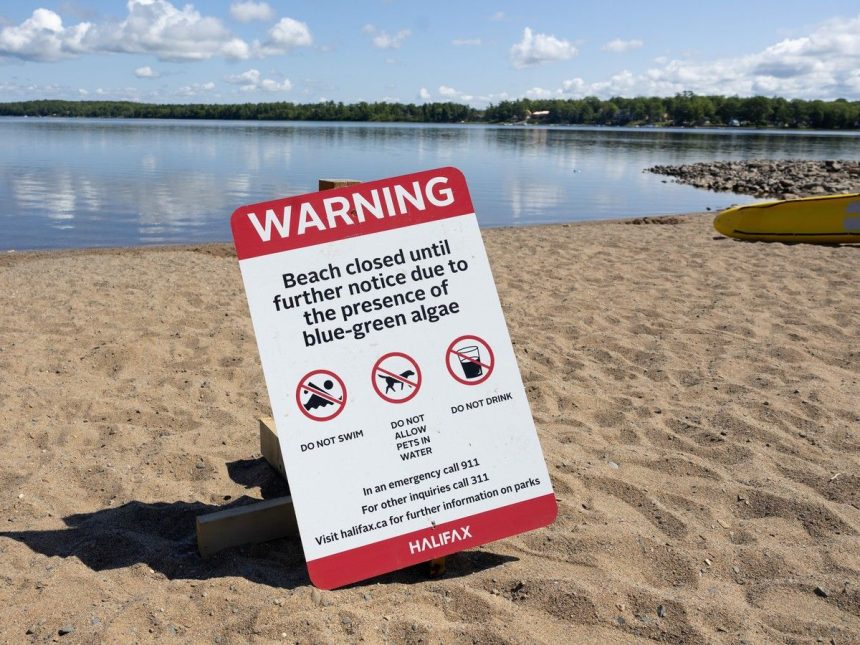
A sign tells visitors to Oakfield Provincial Park that the beach is closed due to the presence of blue-green algae on July 29. Photo by Ryan Taplin /Chronicle HeraldArticle contentThe Nova Scotia government is urging extra vigilance around blue-green algae now that outbreaks are expanding around the province.THIS CONTENT IS RESERVED FOR SUBSCRIBERS ONLY.Subscribe now to access this story and more:Unlimited access to the website and appExclusive access to premium content, newsletters and podcastsFull access to the e-Edition app, an electronic replica of the print edition that you can share, download and comment onEnjoy insights and behind-the-scenes analysis from our award-winning journalistsSupport local journalists and the next generation of journalistsSUBSCRIBE TO UNLOCK MORE ARTICLES.Subscribe or sign in to your account to continue your reading experience.Unlimited access to the website and appExclusive access to premium content, newsletters and podcastsFull access to the e-Edition app, an electronic replica of the print edition that you can share, download and comment onEnjoy insights and behind-the-scenes analysis from our award-winning journalistsSupport local journalists and the next generation of journalistsRegister to unlock more articles.Create an account or sign in to continue your reading experience.Access additional stories every monthShare your thoughts and join the conversation in our commenting communityGet email updates from your favourite authorsSign In or Create an AccountorArticle contentThe latest update shows nine contaminated lakes, so Public Health issued a fresh warning this week.Article contentArticle content“Each year we hear about blue-green algae in lakes, ponds, rivers and streams around Nova Scotia,” reads the public service announcement. “Toxins in blue-green algae can make people sick and can be fatal for pets if swallowed. Here are a few tips from Public Health on what to do if you encounter blue-green algae this summer.Article contentArticle content“Pay attention to blue-green algae alerts for freshwater lakes, especially in warmer weather. Do not swim in or swallow water where blue-green algae is present. If you come in contact with blue-green algae, wash yourself and any items that came in contact with it. Seek medical attention if you feel sick afterward. If your pet swallows water with blue-green algae, contact a vet immediately.”Article contentArticle contentThird Lake in Windsor JunctionGrand Lake near EnfieldEast Lake Ainslie in InvernessEight Island Lake in GuysboroughMedway River in CharlestonGaspereau Lake in Welton LandingWentworth Lake in Moodys CornerAylesford Lake in the Annapolis ValleyMinamkeak Lake in CamperdownArticle content An example of cyanobacterium, also known as a blue-green algae. – Postmedia fileArticle contentHalifax Regional Municipality officials closed the popular swimming area at the Oakfield Provincial Park on Grand Lake last week. The 18 supervised swimming areas in the metro area are monitored regularly, with updates posted by HRM.Article contentArticle contentBlue-green algae, otherwise known as cyanobacteria, grows primarily in fresh water that is shallow and still. The current weather across the province makes for ideal growing conditions for blue-green algae. The combination of rain, followed by high heat and low winds, often leads to blooms.Article contentArticle contentNova Scotia is in the early days of a heat wave that is expected to feature highs above 30 degrees Celsius every day until next week.Article content An example of a planktonic blue-green algae bloom. – Government of Nova ScotiaArticle contentTwo dog deaths from ingesting water containing blue-green algae have been reported in Nova Scotia since 2021. Cattle, wildlife and other livestock and pets that drink from outdoor sources can also be vulnerable.Article contentThe most common symptoms for humans who drink contaminated water are nausea, vomiting, diarrhea, abdominal pain, headache and fever. Swimming where there is a bloom or mat can irritate the skin, eyes, lips and ears. It is also wise to avoid eating fish that have been caught in affected sources of water.Article content An example of a decaying planktonic blue-green algae bloom. – Government of Nova ScotiaArticle content
Nine Nova Scotia lakes now contaminated with blue-green algae, conditions favour more blooms