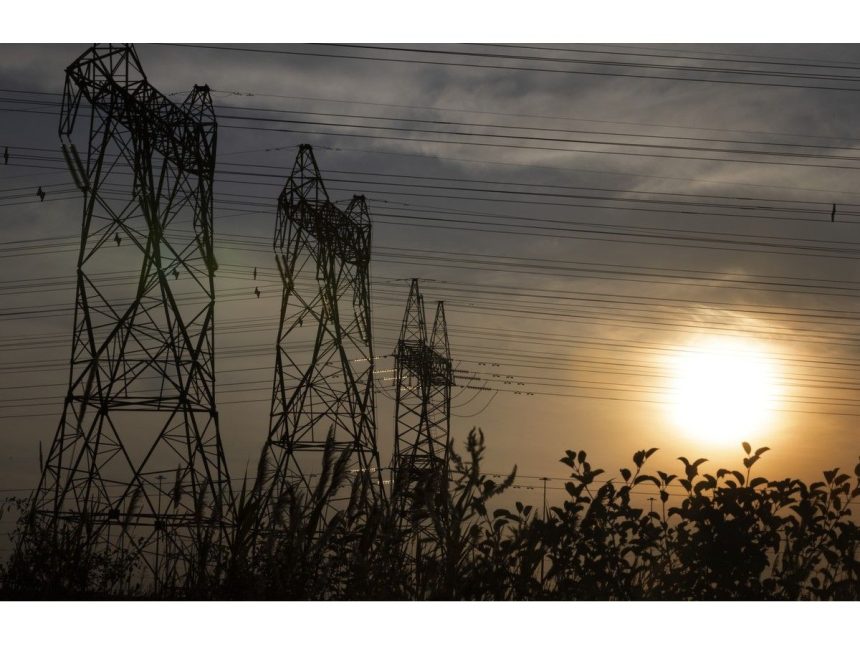
There are only a few ways to produce large amounts of electricity on short notice, writes Energy Minister Marco MacLeod. Photo by FILEArticle contentTHIS CONTENT IS RESERVED FOR SUBSCRIBERS ONLY.Subscribe now to access this story and more:Unlimited access to the website and appExclusive access to premium content, newsletters and podcastsFull access to the e-Edition app, an electronic replica of the print edition that you can share, download and comment onEnjoy insights and behind-the-scenes analysis from our award-winning journalistsSupport local journalists and the next generation of journalistsSUBSCRIBE TO UNLOCK MORE ARTICLES.Subscribe or sign in to your account to continue your reading experience.Unlimited access to the website and appExclusive access to premium content, newsletters and podcastsFull access to the e-Edition app, an electronic replica of the print edition that you can share, download and comment onEnjoy insights and behind-the-scenes analysis from our award-winning journalistsSupport local journalists and the next generation of journalistsRegister to unlock more articles.Create an account or sign in to continue your reading experience.Access additional stories every monthShare your thoughts and join the conversation in our commenting communityGet email updates from your favourite authorsSign In or Create an AccountorArticle contentPictou County Warden Robert Parker is right about one thing: People deserve to be heard.Article contentArticle contentPeople who live near the proposed fast-acting generators have every right to ask questions, raise concerns and expect honest answers. Those concerns are real and should never be dismissed.Article contentThe Independent Energy System Operator (IESO) and the provincial government have a responsibility to listen, share information and explain what can be done to reduce impacts where possible.Article contentArticle contentGovernment also has a responsibility to listen to the people who plan and operate our electricity system. Good decisions come from hearing both local residents and the people whose job it is to keep our power safe and reliable.Article contentThe comparison to Toronto’s island airport is not a fair one. Expanding an airport is a choice. Keeping the power on is a responsibility.Article contentIf we don’t have enough electricity when people need it, the result can be power outages that affect homes, businesses, schools and emergency services. Our power grid must also meet strict reliability rules that apply across North America.Article contentThe article repeatedly puts quotation marks around the word experts. Healthy debate is important, and no one has to agree with every recommendation. But we should be careful not to dismiss the work of the engineers and operators at IESO, the independent organization responsible for planning a safe and reliable electricity system for Nova Scotia.Article contentWe also have to be honest about the impacts of these projects. Some concerns can be reduced. Using a dry low emission system eliminates the need for high water usage. That addresses concerns about local wells and nearby rivers.Article contentArticle contentOther impacts, like construction traffic and changes to the area, will still exist. Those concerns deserve careful planning and ongoing discussions with residents.Article contentNova Scotia has world-class environmental safeguards and we will always uphold them.Article contentThe reality is that there are only a few ways to produce large amounts of electricity on short notice. Hydroelectricity is limited by geography. Nuclear power would take many years to build. Today, natural gas is one of the few proven options that can quickly provide power when renewable energy is not available.Article contentThese facilities are not being built instead of renewable energy. They are being built to support it. Wind and batteries are an important part of Nova Scotia’s future because they provide clean, affordable electricity. But they also need reliable backup during long periods of low wind and times of high electricity demand.Article contentThis is not a problem we might face someday. During the winter cold snap, our electricity system reached its limit. We need reliable backup power now.Article contentGovernment’s responsibility is not only to the communities where this infrastructure may be built. It is to every Nova Scotian who depends on reliable electricity every day.Article contentThat means listening with respect, reducing impacts wherever possible and making decisions based on facts, engineering and the long-term needs of our province. That is how we build a cleaner and more reliable energy future for Nova Scotia.Article contentMarco MacLeod is Nova Scotia’s minister of energy.Article content
Opinion: Nova Scotia depends on reliable electricity system