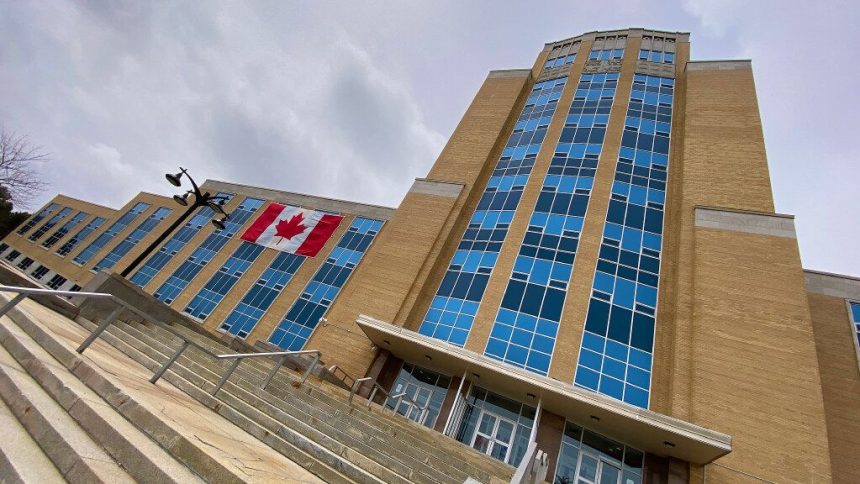
Confederation Building in St. John’s, NL. Photo by FileArticle contentThe price of oil is surging. That means the Wakeham government in Newfoundland and Labrador is heading for a massive revenue windfall this year. That’s a blessing for a government that plans to borrow $3.9 billion and will waste nearly $1.2 billion on debt interest charges.THIS CONTENT IS RESERVED FOR SUBSCRIBERS ONLY.Subscribe now to access this story and more:Unlimited access to the website and appExclusive access to premium content, newsletters and podcastsFull access to the e-Edition app, an electronic replica of the print edition that you can share, download and comment onEnjoy insights and behind-the-scenes analysis from our award-winning journalistsSupport local journalists and the next generation of journalistsSUBSCRIBE TO UNLOCK MORE ARTICLES.Subscribe or sign in to your account to continue your reading experience.Unlimited access to the website and appExclusive access to premium content, newsletters and podcastsFull access to the e-Edition app, an electronic replica of the print edition that you can share, download and comment onEnjoy insights and behind-the-scenes analysis from our award-winning journalistsSupport local journalists and the next generation of journalistsRegister to unlock more articles.Create an account or sign in to continue your reading experience.Access additional stories every monthShare your thoughts and join the conversation in our commenting communityGet email updates from your favourite authorsSign In or Create an AccountorArticle contentBut that windfall is only a blessing if the Wakeham government uses the money wisely. The spring budget assumed oil would sell for $79 US a barrel. By mid-July, it was averaging $98. Finance Minister Craig Pardy says every extra dollar on a barrel of oil means an extra $33 million for the treasury. If prices hold, that’s more than $600 million in extra revenue this year, before counting a favourable exchange rate worth tens of millions more.Article contentArticle contentArticle contentThat windfall is nearly enough to wipe out this year’s entire deficit without the government lifting a finger. The key is discipline. The government must bank the money instead of spending it.Article contentNewfoundland and Labrador knows better than any province what happens when politicians treat a windfall like a raise. During the last oil boom, money poured into the treasury. Oil royalties hit $1.8 billion in 2007. For an almost 13-year stretch, the government collected more revenue per person than any other province in the country.Article contentPOLITICIANS SPENT THE EXTRA MONEYArticle contentBut provincial politicians spent every penny and then some. Government spending ballooned from $4.1 billion in 1999-2000 to $7.8 billion in 2011-12, a 90 per cent increase. Spending on public sector salaries and benefits grew even faster, more than doubling from $1.5 billion to $3.5 billion. By the peak of the boom, the government was running the most expensive programs per person in Canada.Article contentArticle contentNone of it was built to last. The spending was locked in, but the oil money wasn’t. Oil prices crashed. The boom money vanished, but the spending stayed. Taxpayers are living with the consequences today: a net debt of $20.8 billion, the heaviest debt burden of any province in Canada and no plan to balance the books.Article contentAnd none of this is news: the Premier’s Economic Recovery Team spelled out the debt problem in 2021, yet the report gathered dust under three premiers since.Article contentWhen you get a bonus at work, you don’t count on that money showing up every month. You pay down the credit card or make an extra mortgage payment. You don’t take out a loan on a new boat. The government needs to treat this windfall the same way.Article contentTo his credit, Pardy says 80 cents of every windfall dollar will go toward the debt. That’s the right instinct and taxpayers must hold him to it. Better yet, the government should find savings and stop adding to the debt at all this year.Article contentPardy also says affordability measures are coming this fall. Here’s how to make the remaining windfall count: Cut taxes instead of mailing out cheques or expanding government spending on some new program.
OP-ED: Wakeham Government cant waste N.L.s oil windfall